
FIND YOUR RHTHYM
Helping dancers build confidence, grow with courage, and know they belong.
Finding Your Rhythm is a space for dancers and dance parents who believe that growth matters more than comparison and belonging matters more than medals. Whether you’re in a competitive studio or dancing purely for joy, this community is about developing the whole dancer — not just strong technique, but strong mindset, character, and confidence.
Here, we talk about resilience after tough auditions, navigating studio pressure, supporting healthy ambition, and celebrating progress one count at a time. We believe every dancer develops at their own pace, every journey looks different, and every rhythm has value.
Because dance isn’t just about performing full-out on stage — it’s about learning who you are, how you grow, and how you show up for yourself and your team.
There is room for every rhythm here.
is it giving toxic…
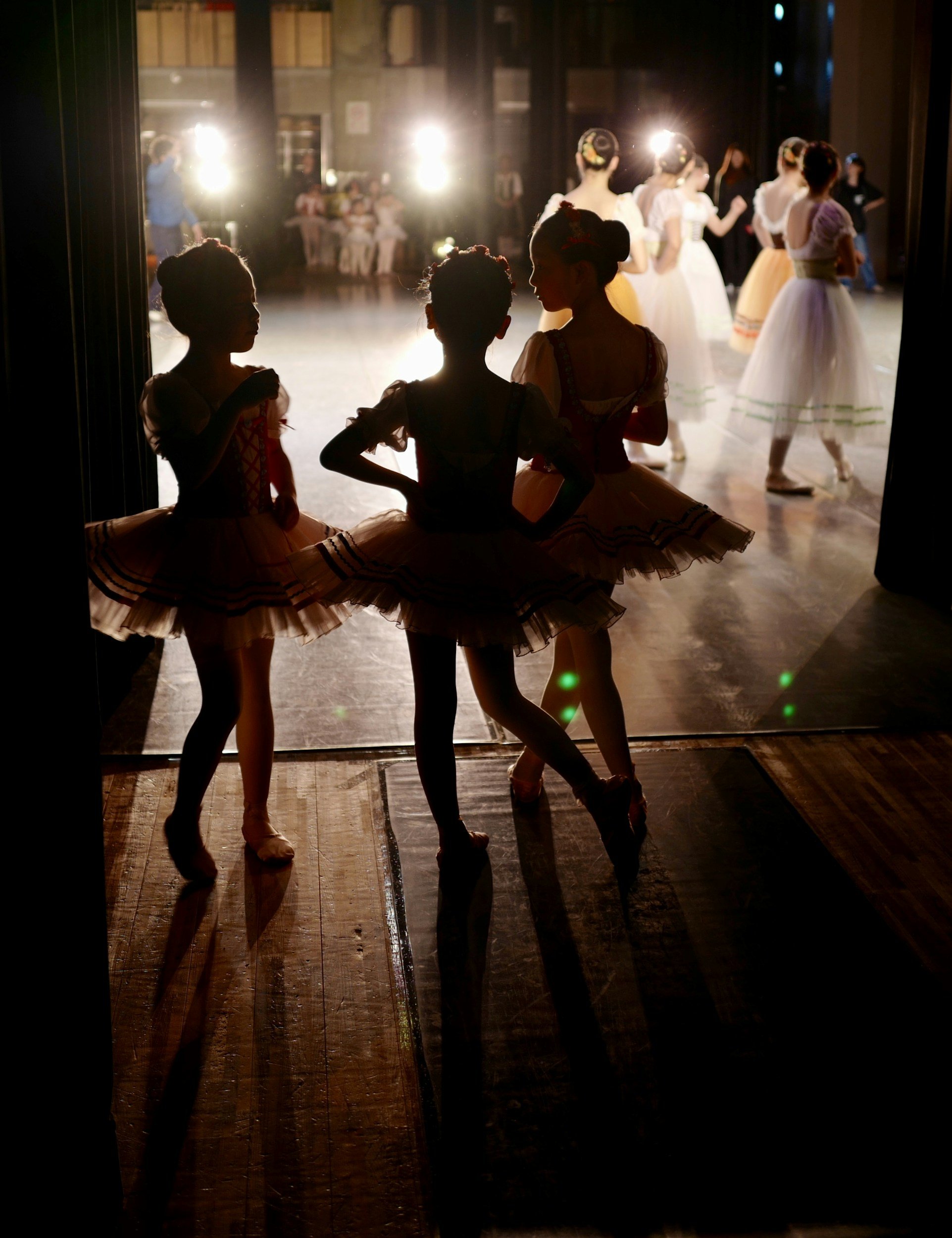
The excerpt addresses the issue of toxic studio culture in children's dance education, particularly in response to a parent's question about "real dancing" in a beginner tap and ballet class. The author reflects on how early dance movements, often seen as "silly little movements," are foundational to a dancer's development, much like learning the alphabet before writing sentences.
The piece emphasizes the importance of trusting dance teachers, who are trained professionals, and not rushing children's progress based on unrealistic expectations. It highlights that dance education follows a developmental progression, with early childhood classes focusing on basic movements, like locomotor (walking, running, hopping) and non-locomotor (bending, twisting, stretching) skills. These foundational skills are key to later, more complex dance techniques.
The author urges parents to avoid comparing their children to others or demanding perfection prematurely. Instead, they should prioritize enjoyment and development over immediate excellence, emphasizing that every dancer progresses at their own pace. The article concludes by encouraging parents to be mindful of the pressures they place on their child and the potential for negative effects on their passion for dance, while promising further discussion on how perfectionism can impact young dancers.